
 See Our Latest Article on HelloNation
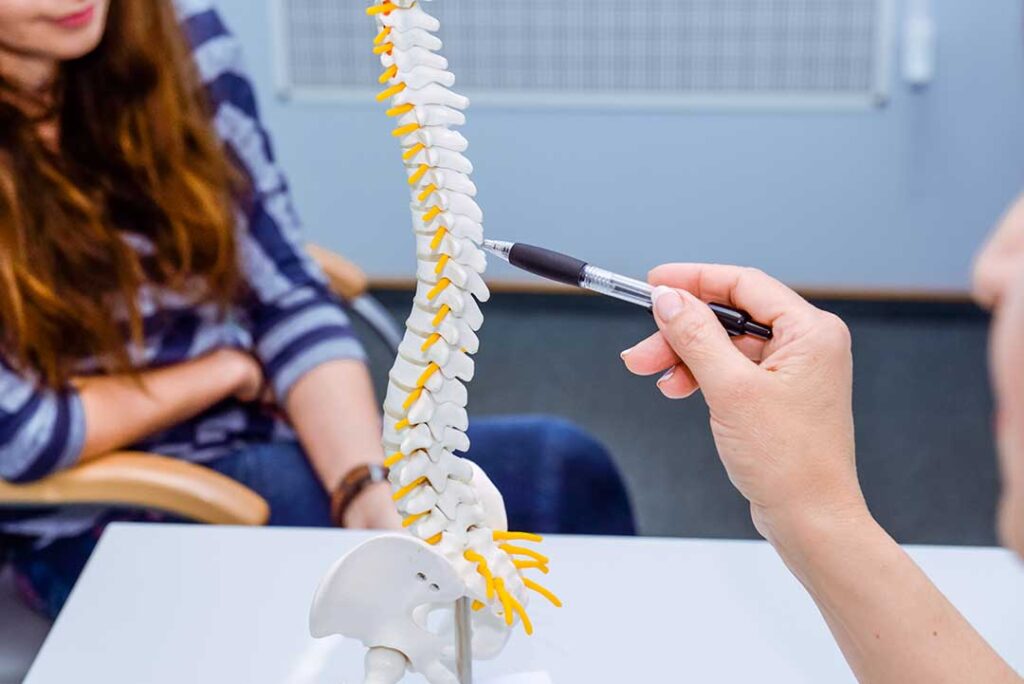
As people age, maintaining comfortable movement, balance, strength, and independence often becomes more important than pursuing perfect posture or eliminating every ache. Chiropractic care may support healthy aging when it is used as one part of a broader plan that includes physical activity, medical care, sleep, nutrition, and attention to fall prevention.
Chiropractic treatment is not a cure for aging, arthritis, osteoporosis, or every type of pain. Its potential role is more specific: helping some adults manage musculoskeletal discomfort and movement limitations so they can remain active in daily life.
What does healthy aging mean?
Healthy aging involves preserving the ability to do meaningful activities safely and independently. That may include walking for exercise, carrying groceries, gardening, using stairs, maintaining a home, or participating in community and family life.
The National Institute on Aging emphasizes four broad areas of physical activity for older adults: endurance, strength, flexibility, and balance. Regular activity in these areas can help maintain function, support muscle strength, and reduce fall-related risks. ([nia.nih.gov](https://www.nia.nih.gov/health/four-types-exercise-can-improve-your-health-and-physical-ability?utm_source=openai))
Chiropractic care may fit into this picture when stiffness, joint discomfort, or back pain makes movement more difficult. The goal should generally be improved function rather than simply receiving passive treatment.
How might chiropractic care support mobility?
Chiropractic care commonly focuses on the spine, joints, muscles, and related movement patterns. Depending on a person’s condition, care may include spinal manipulation, mobilization, soft-tissue techniques, stretching, strengthening advice, or recommendations for modifying activities.
For an older adult, even a modest improvement in comfort can make practical activities easier. For example, reduced back stiffness may help someone stand from a chair, turn while walking, reach into a cabinet, or tolerate a short neighborhood walk.
Research and clinical guidance do not support treating every health problem with spinal manipulation. Evidence is more relevant to certain musculoskeletal complaints, including some types of low-back and neck pain. Treatment should be adapted to age, medical history, bone health, medications, and current physical ability.
Can chiropractic care help prevent falls?
Chiropractic care alone should not be considered a fall-prevention program. Falls are influenced by many factors, including leg strength, balance, vision, footwear, medications, home hazards, dizziness, and walking ability.
Movement-based strategies are central to fall prevention. Strength exercises can help preserve muscle function, while balance activities can improve stability and reduce fall-related injury risk. The National Institute on Aging recommends incorporating balance and muscle-strengthening activities along with aerobic movement and flexibility work. ([nia.nih.gov](https://www.nia.nih.gov/health/four-types-exercise-can-improve-your-health-and-physical-ability?utm_source=openai))
Chiropractic care may have an indirect role when pain or restricted movement interferes with safe walking or exercise. A useful plan might combine symptom management with:
- Leg and hip strengthening
- Balance practice performed near a stable support
- Walking at an appropriate pace
- Flexibility exercises that do not cause pain
- Review of footwear, lighting, stairs, and floor surfaces
- Medical evaluation for dizziness, numbness, or repeated falls
For residents managing winter conditions, icy walkways and uneven surfaces can add seasonal challenges. Keeping entrances well lit, using secure handrails, and avoiding hurried walking on slippery surfaces may be more important for fall prevention than any single treatment.
Is spinal manipulation safe for older adults?
Safety depends on the individual and the technique used. Older adults may have osteoporosis, spinal stenosis, inflammatory arthritis, recent surgery, fractures, blood-clotting concerns, or other conditions that change the risk-benefit assessment.
A complete health history should include:
- Previous fractures or falls
- Bone-density concerns or osteoporosis
- Cancer history
- Recent surgery
- Numbness, weakness, or changes in coordination
- Blood-thinning medication
- Unexplained weight loss or fever
- Severe or rapidly worsening pain
Neck manipulation deserves particular care because the cervical spine contains structures near important blood vessels and nerves. A population-based study discussed by the National Center for Complementary and Integrative Health found a low risk of stroke after cervical spinal manipulation in older patients with neck pain, but safety questions should still be considered individually rather than dismissed. ([nccih.nih.gov](https://www.nccih.nih.gov/research/research-results/low-risk-of-stroke-after-chiropractic-spinal-manipulation-in-older-patients-with-neck-pain-study-finds?utm_source=openai))
Gentler mobilization, exercise instruction, or other non-thrust approaches may be more appropriate for some people. The safest choice depends on the diagnosis, examination findings, treatment goals, and preferences of the individual.
What conditions may benefit from a chiropractic approach?
Chiropractic care may be considered for some mechanical or musculoskeletal problems, such as back discomfort, joint stiffness, muscle tension, or movement-related pain. It is less appropriate to assume that chiropractic treatment can manage infections, neurological emergencies, advanced systemic disease, or unexplained symptoms.
Older adults should seek prompt medical evaluation for symptoms such as:
- New loss of bladder or bowel control
- Progressive weakness or numbness
- Trouble speaking, facial drooping, or sudden severe imbalance
- Chest pain or shortness of breath
- Severe headache unlike previous headaches
- Pain after a significant fall
- Fever with severe back or neck pain
- Unexplained or rapidly worsening symptoms
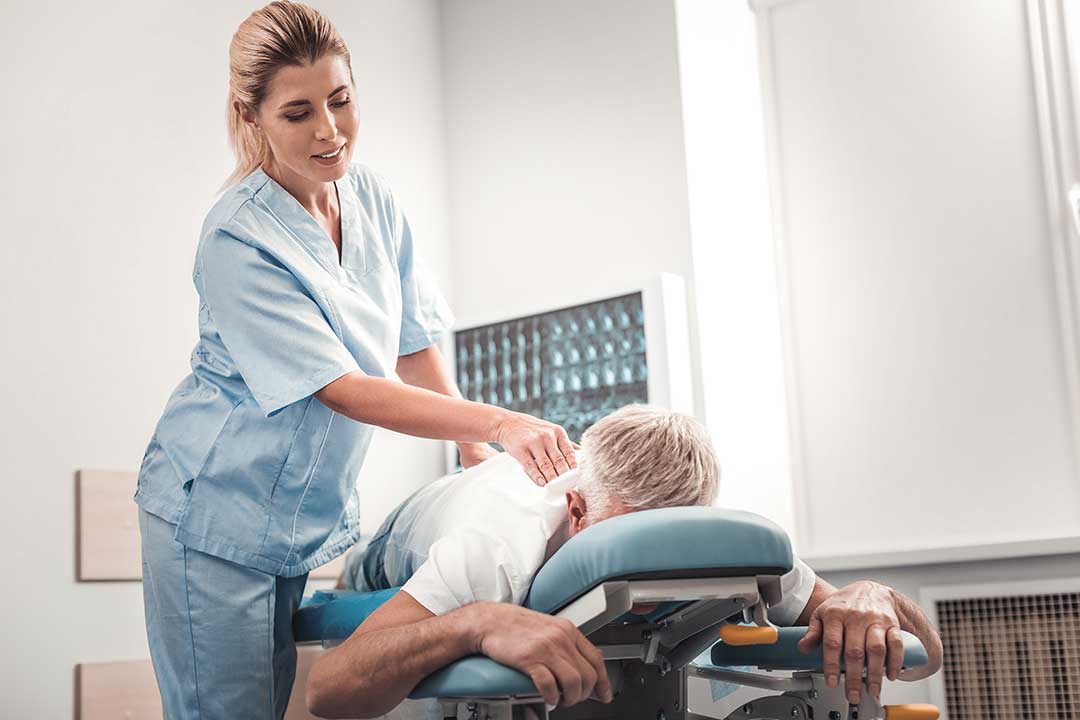
These signs may require urgent medical assessment rather than routine musculoskeletal care.
How should chiropractic care fit with exercise?
Exercise is the foundation of healthy aging, and chiropractic care should not replace it. The Centers for Disease Control and Prevention and the National Institute on Aging describe older-adult activity as a combination of aerobic, muscle-strengthening, and balance work, adjusted to a person’s abilities and health status. ([nia.nih.gov](https://www.nia.nih.gov/health/infographics/four-types-exercise-and-physical-activity?utm_source=openai))
A practical weekly pattern might include walking or another tolerated aerobic activity, strength exercises on multiple days, and balance practice several times per week. Flexibility work can support tasks such as reaching, dressing, rising from a chair, and turning safely.
If pain is limiting activity, the first question should be: “What movement can be performed safely and consistently right now?” Starting with brief walks, supported balance exercises, or low-resistance strengthening may be more useful than waiting for complete symptom relief.
What should residents ask before beginning care?
An informed discussion can help clarify whether chiropractic treatment is suitable. Useful questions include:
- What is the likely source of the symptoms?
- What treatment options are available besides manipulation?
- How will progress be measured?
- Which exercises or activities should continue?
- Are there reasons to avoid neck or spinal manipulation?
- What symptoms would require medical evaluation?
- How will the plan account for osteoporosis, medications, surgery, or fall history?
Healthy aging is best supported by coordinated care. Primary care clinicians, physical therapists, pharmacists, and other health professionals may each address different contributors to pain, balance, strength, and independence.
For many older adults, the most meaningful outcome is not a particular technique. It is being able to move with greater confidence, remain active through changing seasons, and continue ordinary daily activities with less limitation.
