
 See Our Latest Article on HelloNation

Sciatica usually causes pain that travels from the lower back into the buttock and down one leg. It may also produce tingling, numbness, burning, or weakness. In many cases, symptoms improve gradually with movement, gentle exercise, and sensible changes in daily activity rather than prolonged bed rest. ([cuh.nhs.uk](https://www.cuh.nhs.uk/patient-information/sciatica/?utm_source=openai))
For residents of Mount Kisco, NY, everyday triggers may include long periods of sitting during a commute, working at a kitchen table, lifting household items, or moving carefully over icy surfaces in winter. Natural remedies can reduce irritation and make normal activity easier, but they should not replace medical evaluation when symptoms are severe, worsening, or unusual.
What can be tried at home first?
The most useful first steps are usually gentle movement, comfortable positioning, heat or cold, and avoiding activities that clearly worsen leg pain. The goal is not to force the spine into a particular position, but to keep the body moving without repeatedly irritating the nerve.
Keep moving in short intervals
Long periods of bed rest or sitting can increase stiffness and make returning to normal activity more difficult. Try changing position regularly and taking brief, easy walks around the home or outdoors when conditions are safe.
A practical starting point may be:
- Walk for five to ten minutes at an easy pace.
- Change positions at least every 30 to 45 minutes.
- Break household tasks into smaller portions.
- Avoid lifting, twisting, or reaching while carrying weight.
- Stop or modify an activity if leg pain travels farther down the limb or becomes noticeably sharper.
Walking on level, dry surfaces is generally easier than navigating snow, ice, or uneven ground. During winter, avoid rushing outside while carrying bags, laundry, or firewood. A fall can aggravate an already sensitive back or create a separate injury.
Are heat and ice helpful for sciatica?
Heat or cold may provide short-term comfort, although neither method corrects the underlying cause. Use whichever feels better, placing a cloth between the skin and the cold pack or heating source. Limit each application to about 15 to 20 minutes and check the skin afterward. ([pmc.ncbi.nlm.nih.gov](https://pmc.ncbi.nlm.nih.gov/articles/PMC7891494/?utm_source=openai))
Cold may feel useful during the first day or two after a strain, especially when the area feels irritated. Heat may be more comfortable for muscle tightness or stiffness. Avoid sleeping with a heating pad in place, and use extra caution if diabetes, reduced sensation, circulation problems, or fragile skin makes it harder to detect excessive heat or cold.
Which stretches and exercises are safest?
Gentle exercise can help, but there is no single stretch that works for every cause of sciatica. A movement that feels relieving for one person may increase leg symptoms for another. General exercise guidance recommends stopping if pain intensifies, numbness increases, or new weakness appears. ([nhs.uk](https://www.nhs.uk/live-well/exercise/exercises-sciatica-problems/?utm_source=openai))
Low-intensity options may include:
- Easy walking on a level surface.
- Gentle pelvic movements while lying on the back with knees bent.
- Light hamstring or hip stretches performed without forcing the range.
- Slow, comfortable mobility exercises that do not increase leg pain.
- Water-based activity if entering and exiting the pool can be done safely.
A useful rule is that mild stretching discomfort may be acceptable, but sharp, electric, or spreading pain is a reason to stop. Exercises should not be selected solely because they are labeled “for sciatica.” The direction and source of symptoms matter.
Can posture and sleeping position reduce irritation?
Posture changes can reduce strain, especially during long periods of sitting, but there is no perfect posture that must be maintained all day. A supportive chair, feet resting on the floor, and regular movement are usually more helpful than rigidly holding the back straight.
At a desk or kitchen table:
- Keep the screen near eye level.
- Support the lower back with a small cushion or rolled towel if comfortable.
- Keep both feet supported rather than sitting on one leg.
- Stand briefly between tasks.
- Avoid working for hours from a soft couch that allows the pelvis to sink backward.
For sleep, side-lying with a pillow between the knees or back-lying with a pillow beneath the knees may reduce pulling on the lower back. Choose the position that reduces leg symptoms rather than relying on a universal rule.
Do massage, acupuncture, or chiropractic care count as natural remedies?
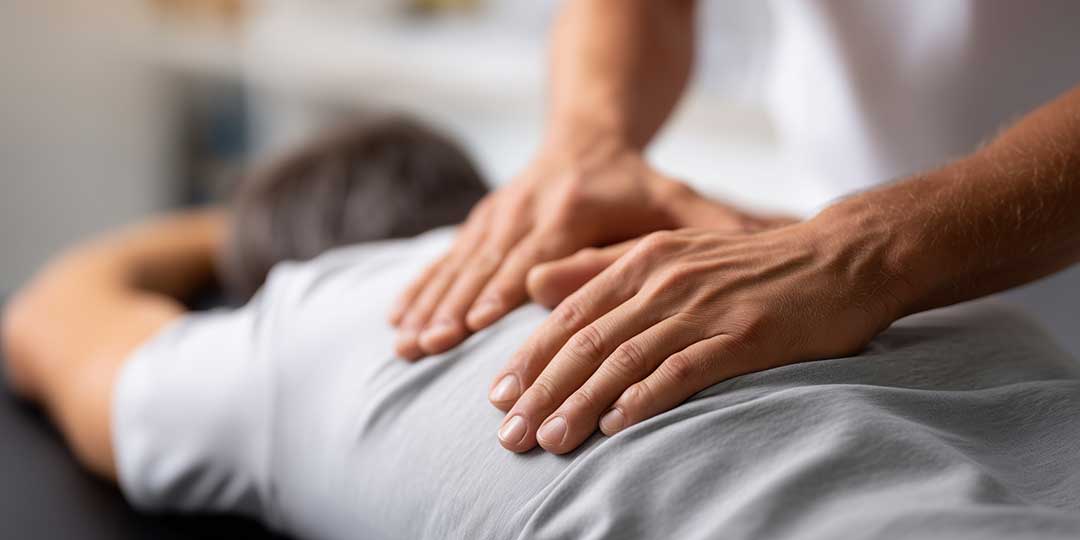
Massage, acupuncture, and manual therapies may help some people manage pain, particularly when combined with exercise and a gradual return to normal activity. Evidence does not show that one approach works for everyone, and these therapies should be adapted to the suspected cause of symptoms. Guidelines describe manual therapy as most appropriate when used alongside exercise rather than as a stand-alone solution. ([ninds.nih.gov](https://www.ninds.nih.gov/health-information/disorders/pain?utm_source=openai))
Forceful stretching, aggressive massage, or manipulation should be avoided if they consistently increase leg pain, numbness, or weakness. A careful history and physical examination are especially important before using hands-on treatment when symptoms began after a fall, affect both legs, or are accompanied by neurological changes.
Should supplements or herbal products be used?
There is not enough reliable evidence to assume that an herbal product, vitamin, or “nerve cleanse” will relieve sciatica. Natural does not automatically mean safe. Supplements may interact with blood thinners, blood-pressure medicines, diabetes medications, or treatments for other conditions.
Before using an herbal product for pain, review it with a pharmacist or medical clinician. Do not use supplements as a reason to delay evaluation of progressive weakness, significant numbness, fever, or severe night pain.
When is sciatica more than a home-care problem?
Many episodes improve over several weeks, but home care is not appropriate for every situation. Arrange medical evaluation if pain is worsening, prevents normal activities, repeatedly returns, or does not begin improving after a few weeks. Persistent symptoms may require a more specific diagnosis and a guided exercise plan. Routine imaging is not always needed at the beginning when there are no warning signs. ([ncbi.nlm.nih.gov](https://www.ncbi.nlm.nih.gov/books/NBK507908/?utm_source=openai))
Seek emergency care immediately for:
- New loss of bladder or bowel control.
- Difficulty starting urination or inability to urinate.
- Numbness around the genitals, anus, or inner thighs.
- Severe or rapidly worsening weakness in one or both legs.
- Sciatica affecting both legs.
- Major symptoms after a significant injury.
Urgent assessment is also warranted when back or leg pain occurs with fever, unexplained weight loss, a history of cancer, a recent serious infection, or pain that is unusually severe at night. These symptoms do not prove a dangerous condition, but they should not be managed only with home remedies. ([cuh.nhs.uk](https://www.cuh.nhs.uk/patient-information/sciatica/?utm_source=openai))
Natural care is most useful when it supports steady movement, adequate sleep, safe lifting, and symptom-aware exercise. The aim is gradual improvement without provoking more nerve irritation or overlooking signs that require timely medical attention.
